About Possotomè
Possotomè is a lakeside community located on the shores of Lake Ahémé
in the Mono Department of Benin, West Africa. Known for its natural
environment, rich cultural traditions, thermal spring, fishing heritage,
and strong community spirit, Possotomè has long been one of the most
distinctive destinations around Lake Ahémé.
Beyond its landscapes, Possotomè is a place where history, culture,
and everyday life remain deeply connected. Local associations, youth
initiatives, traditional celebrations, and community development projects
continue to shape the identity of the village and contribute to its future.
Through this website, visitors can discover the people, places, traditions,
and stories that make Possotomè a unique part of Benin's cultural heritage.
Project Goals
Visit Possotomè was created to document, preserve, and promote the cultural,
historical, and social heritage of Possotomè for both local residents and
international visitors.
The project aims to increase the visibility of the community online,
provide reliable information about local life and tourism opportunities,
and create a digital space where memories, traditions, and development
initiatives can be shared with future generations.
By bringing together photographs, historical information, community stories,
and cultural resources, this website seeks to contribute to the long-term
promotion and appreciation of Possotomè in Benin and beyond.
Why this website?
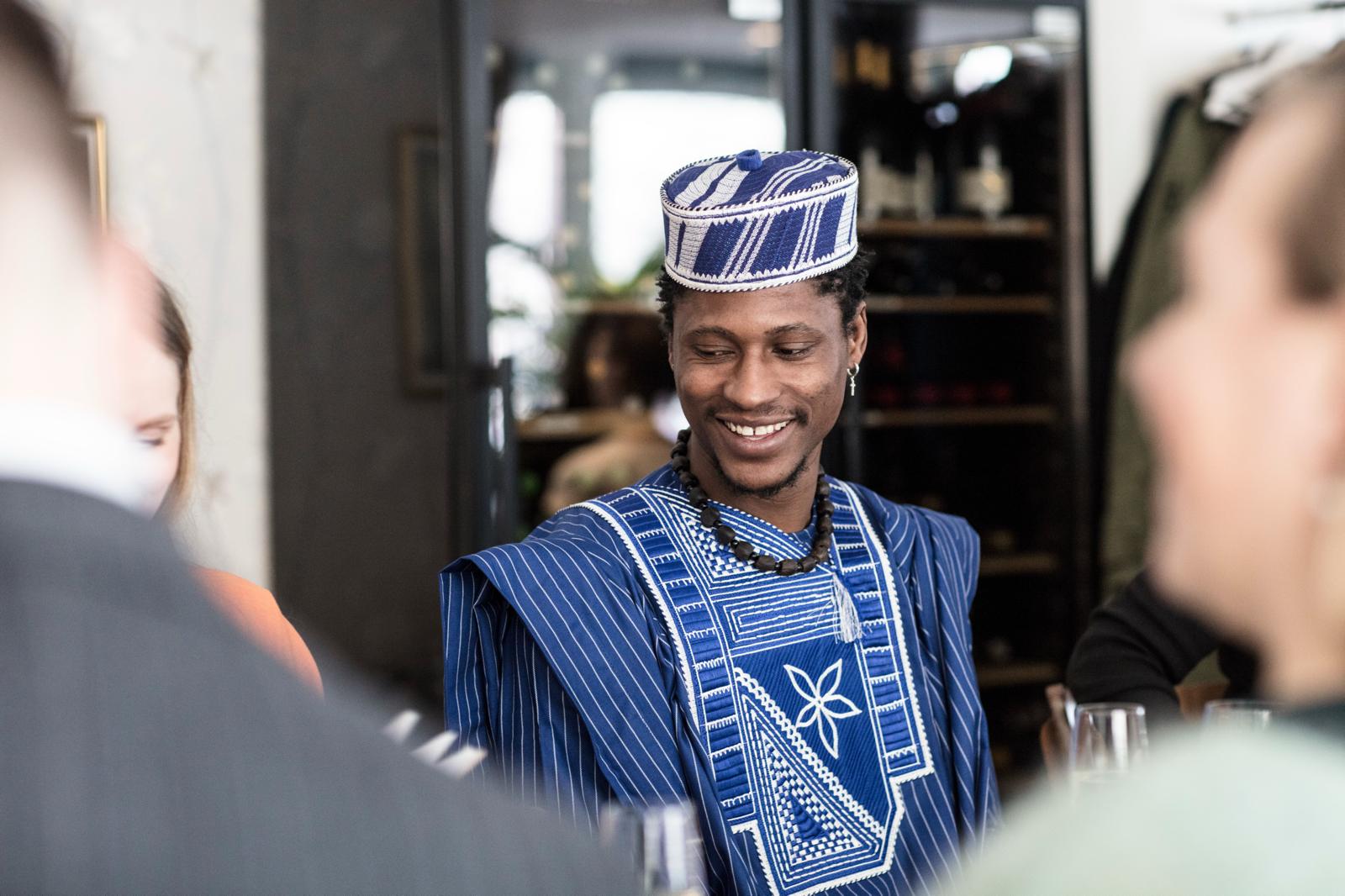
I was born and raised in Possotomè — a place that shaped my identity,
my values, and my sense of community. Growing up along the shores of
Lake Ahémé, surrounded by rich traditions and strong social ties,
deeply influenced the person I have become today.
From an early age, I was not only observing community life,
I was actively involved in it. During my years at the Collège de Possotomè,
I joined local youth organisations, beginning with UJAP, where I
participated in community development initiatives that are now documented
on this website. Over time, this engagement expanded beyond my hometown,
leading me to collaborate with youth and development organisations at
communal, departmental, and national levels across Benin.
One of the experiences I am most proud of was contributing to the
development and digital transformation of Radio Ahémé FM,
helping extend the voice of Possotomè beyond its local borders.
I was also involved in CACE
(Cercle des Amis de la Culture et de l'Épanouissement),
an organisation dedicated to promoting cultural activities and keeping
community creativity alive during holiday events for younger generations.
These experiences gave me more than organisational skills,
they gave me a deep and personal understanding of Possotomè:
its people, its institutions, its challenges, and its remarkable potential.
I am not simply someone from Possotomè; I am someone who grew alongside
the community and contributed, in my own way, to its development.
When I moved to Finland to pursue my studies, I realised how little
information about Possotomè exists online, despite the richness of its
history, culture, and community life. For years, I had wanted to create
digital content that could preserve and share this heritage with a wider audience.
This project finally gave me the opportunity and the technical tools to do so.
This website is therefore more than an academic project.
It is a personal tribute to the community that raised me,
created with respect, lived experience, and a genuine desire
to make Possotomè better known to the world.
This website was created as a final project for the
Verkkosivujen toteutus ja julkaisu (Web Publishing)
course at Lapland University of Applied Sciences (Lapin AMK), 2026.
For a long time, I have wanted to create digital content that highlights
the culture, history, and everyday life of Possotomè. This course finally
provided me with both the technical skills and the opportunity to transform
that vision into a real project.
This website is an independent academic and personal initiative and does not
represent any official organisation or institution.
All personal photographs are used with the knowledge and consent of the people
depicted. External image sources are credited where applicable.