Beyond the lake and the springs, Possotomè is above all its people, their traditions, their languages, their celebrations and their vision for the future.
Leadership
"Possotomè is a land of dialogue, solidarity and resilience. Our ten villages, our languages and our traditions are not relics of the past, they are the living foundation on which we build the future of our community together. I am honoured to serve this arrondissement for another mandate, and committed to ensuring that every village, every family and every young person finds their place in our shared progress."
Youth & Community
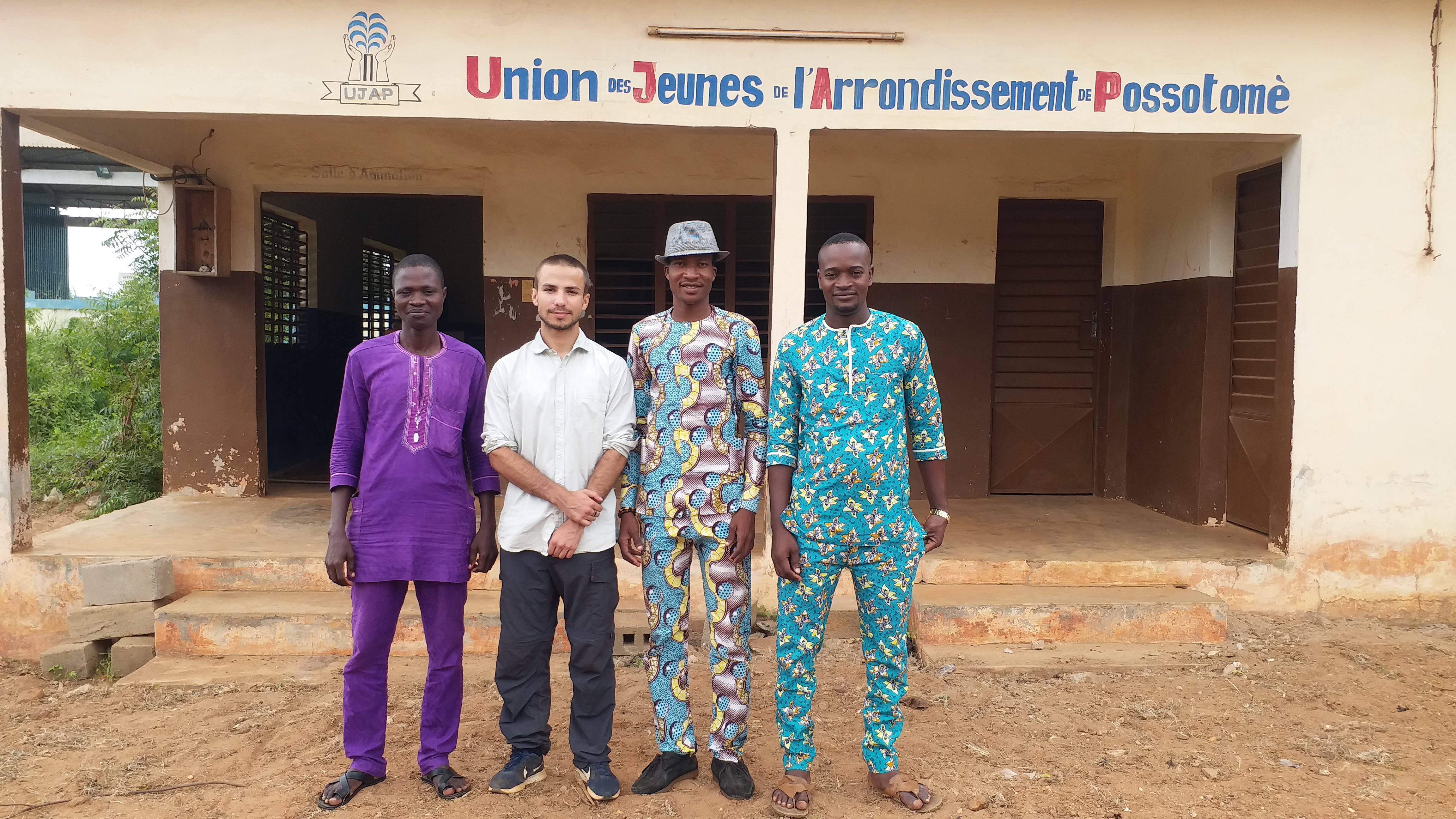
Founded in 1999, the UJAP was created to serve as a forum where young people from all ten villages could discuss issues affecting their community. Over 27 years, it has grown into one of the most impactful youth organisations in the Commune of Bopa.
Since its founding, the UJAP has been active in education, organising holiday courses and exam preparation support for students in their final years. It runs the Solidarity Tournament (sports), recreational days, sanitation campaigns, and training programmes in entrepreneurship and digital skills. It also plays a role in conflict resolution within the youth community and the arrondissement at large.
The UJAP has never worked alone. Over the years it has collaborated with ADESCAP, Sobebra, NGOs Cambo les Bains and AHSM, Radio Ahémé FM, Valorisation Agricole Association, Association Un Regard vers le Sud, and the JCI, each partnership strengthening its capacity to serve.
Based at Centre Zabalki the Youth Centre of Possotomè, near the main crossroads, across from the Possotomè Health Centre.
Recreational days and solidarity initiatives across all villages.
Holiday courses and exam support since 1999.
The annual Solidarity Tournament uniting all ten villages.
Entrepreneurship, digital skills and sanitation campaigns.
The senior counterpart of the UJAP, ADESCAP (Association pour le Développement Économique, Social et Culturel de l'Arrondissement de Possotomè) is the backbone of community led development in the arrondissement. It works to promote economic, social and cultural advancement across all ten villages, supporting local initiatives, strengthening institutions and fostering solidarity between generations. Together, ADESCAP and the UJAP form a united force for the sustainable future of Possotomè, one driving the vision, the other bringing the energy of youth on the ground every day.
Youth & Culture
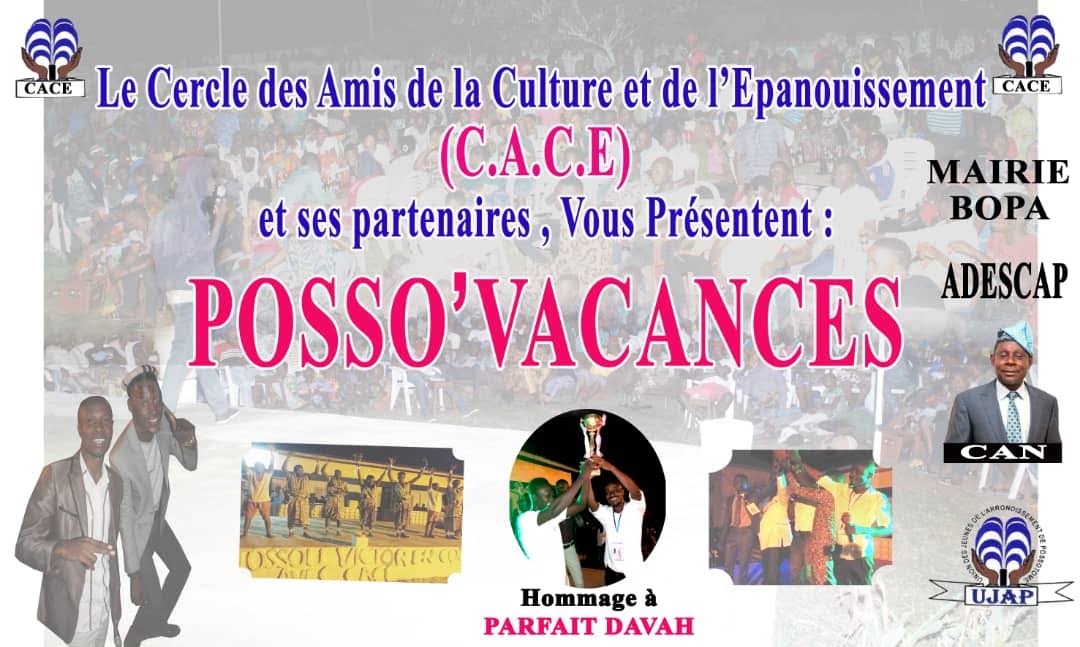
Every summer since August 2015, Possotomè comes alive on Sunday evenings with poetry, dance, music and storytelling — a celebration of culture that lights up the community until late into the night.
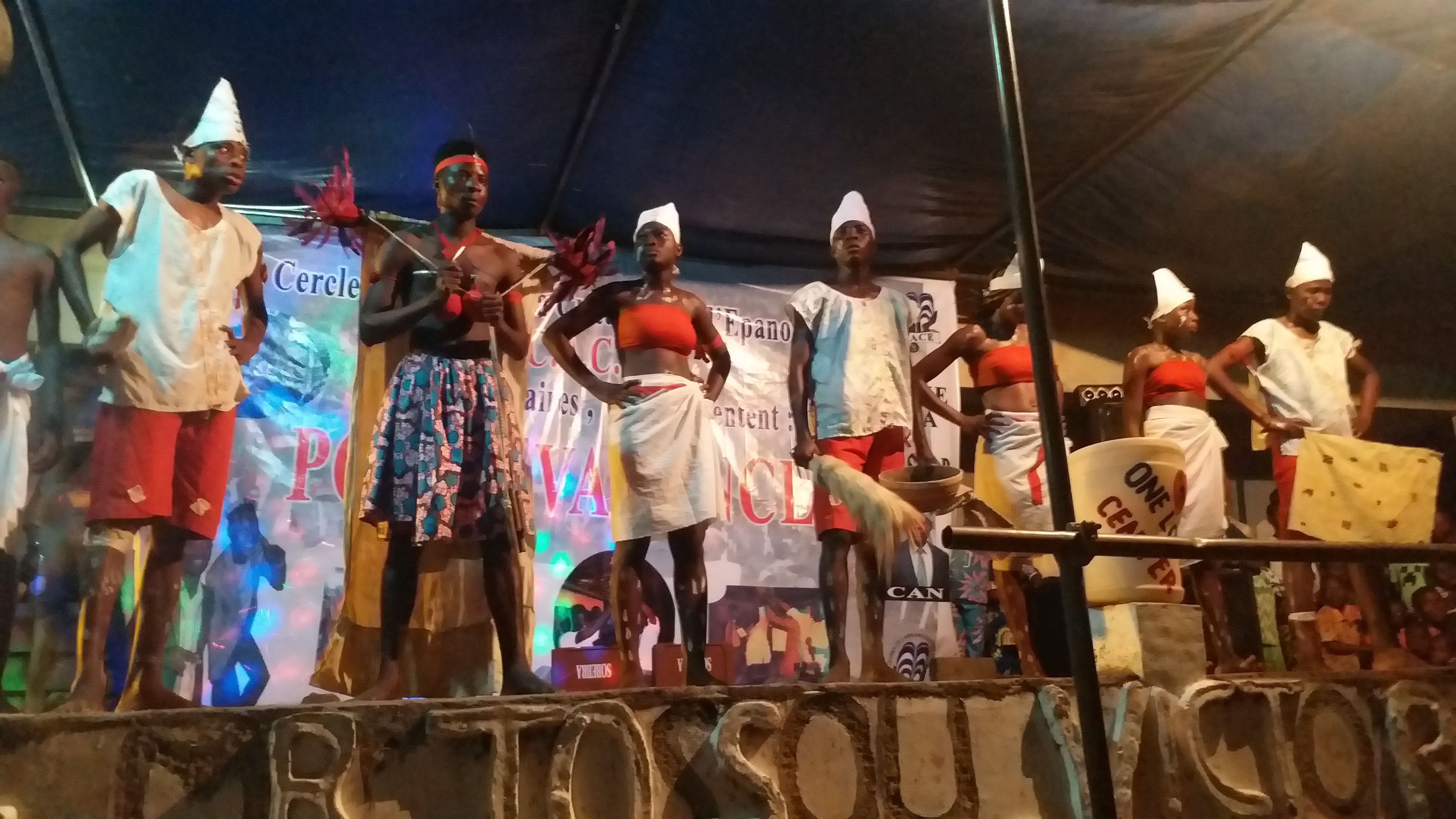
Born from the energy of Possotomè's youth organisations, CACE organises each year between August and September, a month-long cultural programme that transforms the town every Sunday evening. Readings, poetry, vocal and instrumental interpretation, choreography and folkloric performances fill the nights with colour and sound, giving young people a stage to express themselves and celebrate their identity.
The event is supported by the local municipality, ADESCAP, Radio FM Ahémé and community volunteers who believe in the power of culture as a driver of development. Alongside the UJAP's holiday courses and the youth radio programme on Radio Ahémé FM, CACE is one of the pillars that keeps young people whether they stayed or came home for the holidays, engaged, inspired and connected to their roots.
What began as an initiative has grown into one of Possotomè's most anticipated annual events, now serving as the cultural arm of the UJAP. Each edition owes its success in large part to its two signature hosts who share the stage year after year: Prevert Djossou and Djahou Oke.
We pay tribute to Parfait Davah, founding president of CACE and one of its most devoted champions, who passed away and left behind a legacy of cultural engagement and commitment to the development of Possotomè. His spirit lives on in every edition of this event.
Founding members
CACE event Recap Flyer
Choreography & folkloric performance
CACE coordination team, the heart of the event's organisation
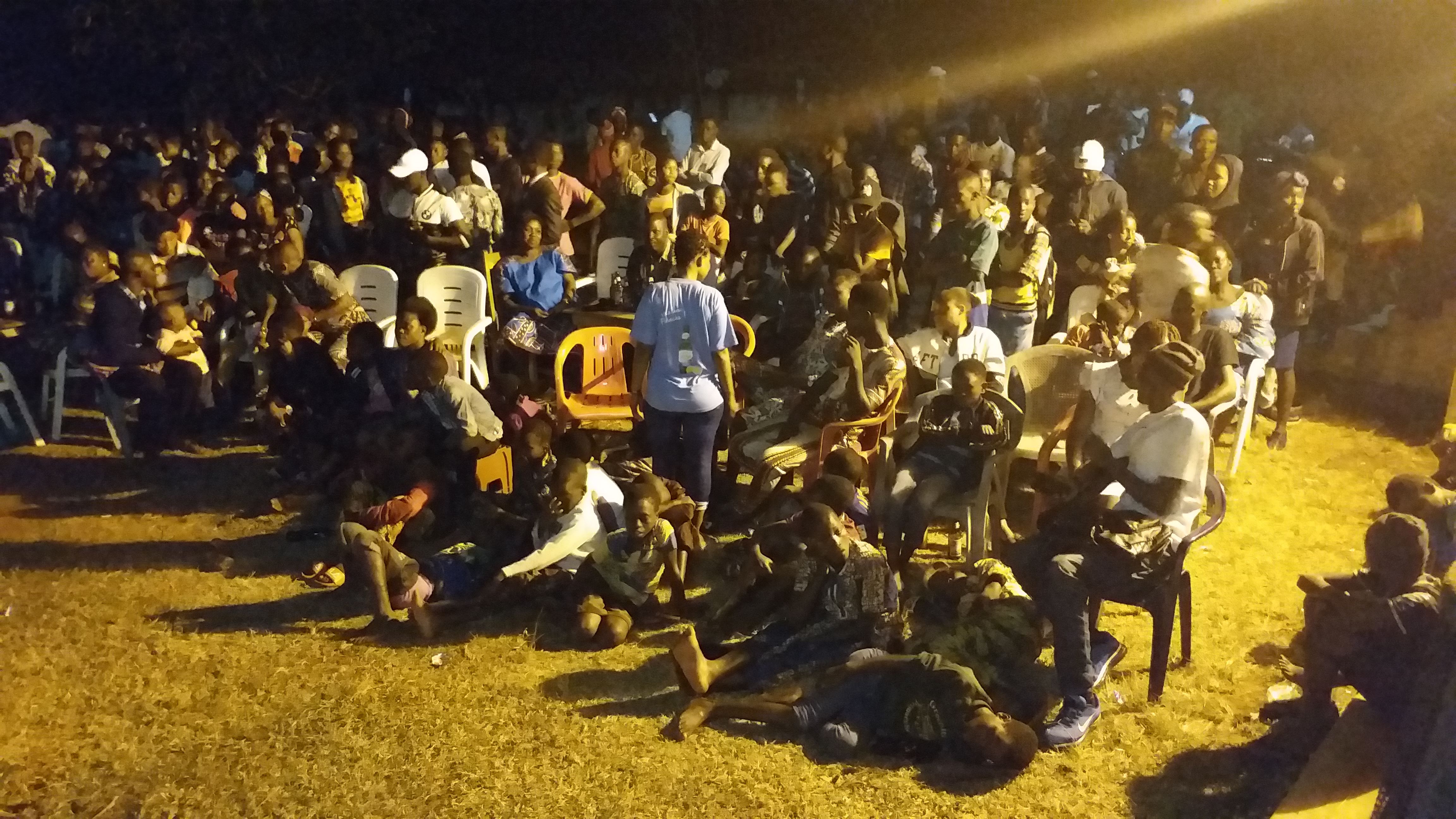
The audience — every Sunday evening in August
Identity & Territory
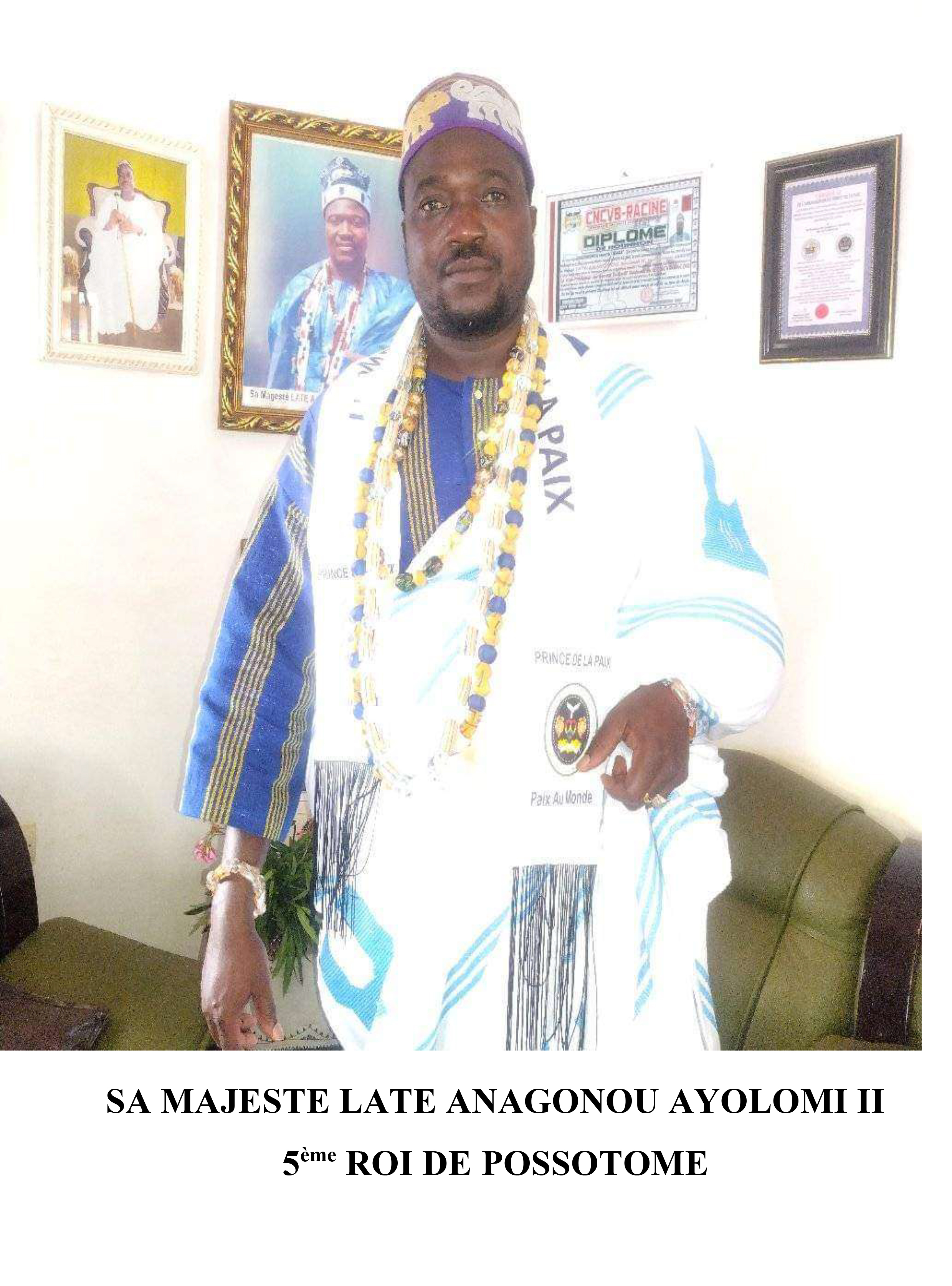
Under the traditional authority of King Ayolomi Laté, the ten villages of Possotomè each carry their own identity, festivals and customs, united by the shores of Lake Ahémé and a shared sense of belonging.
King Ayolomi Laté is the traditional chief who oversees the cultural and spiritual life of the arrondissement, ensuring that the ancestral heritage of all ten villages is preserved and respected across generations.
Cultural life
Two events above all others mark the rhythm of life in Possotomè, one ancient, one reborn, both deeply rooted in the community's identity.
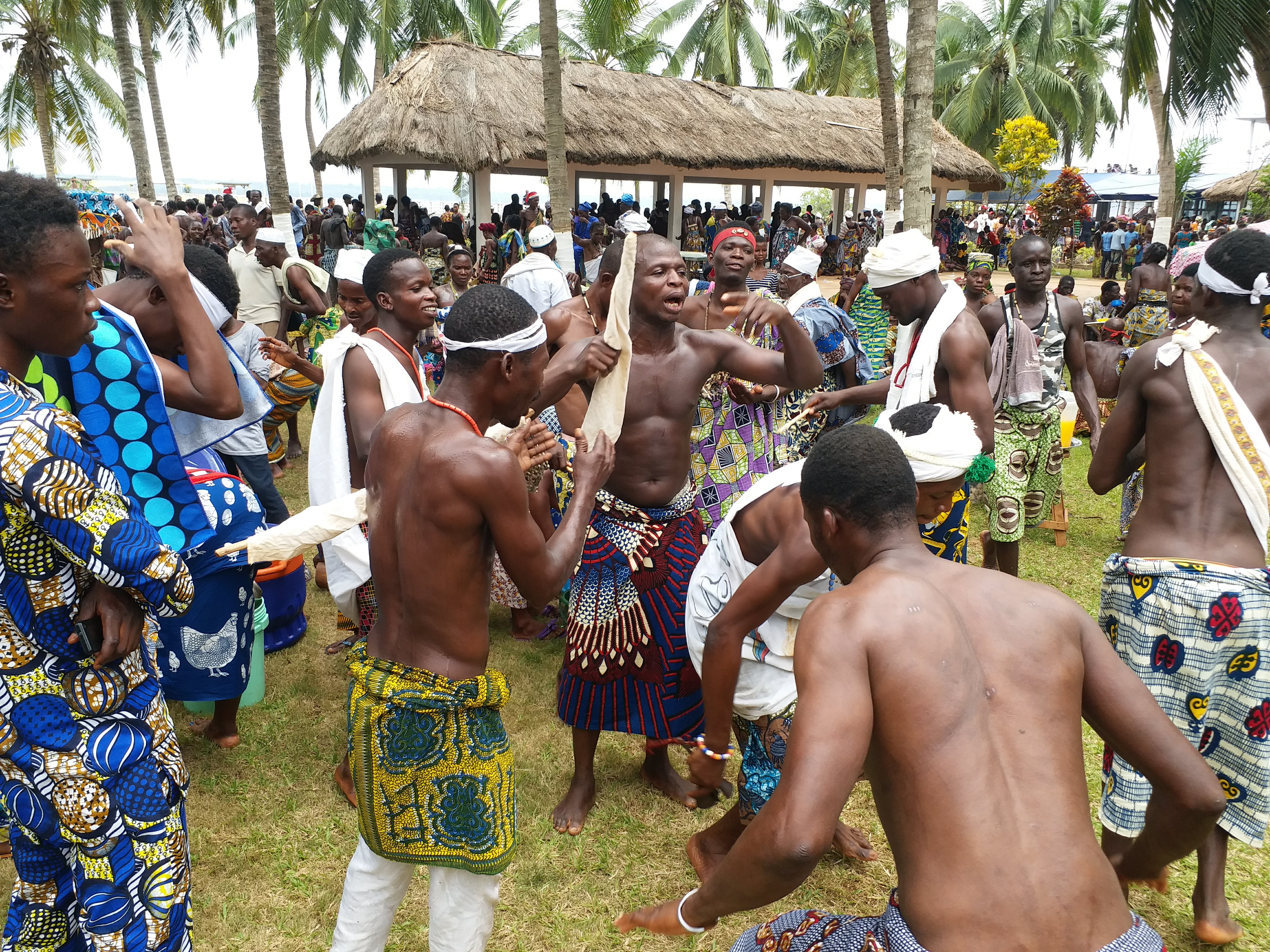
What is Awilé? In the rich tapestry of Beninese spirituality, Awilé is a powerful goddess associated with Lake Ahémé. She is revered as a protector of the community, a guardian of the waters and a symbol of renewal and harmony. The festival that bears her name is not just a celebration, it is a profound expression of the relationship between the people of Possotomè and the natural world that sustains them. Awilé is a grand ceremony and one of the greatest treasures of Beninese cultural heritage. It marks the opening of a new year of peace and serenity, a moment for communities to rise above their quarrels, leave their suffering behind and begin again together. The celebration begins the evening before, when the dances and songs of Zandro fill the air, announcing what is to come.
Historians trace this ceremony as one of the ancestors of South American carnivals, its rhythms and dances carried across the Atlantic by enslaved people who kept the tradition alive in Brazil, Haiti and Trinidad.
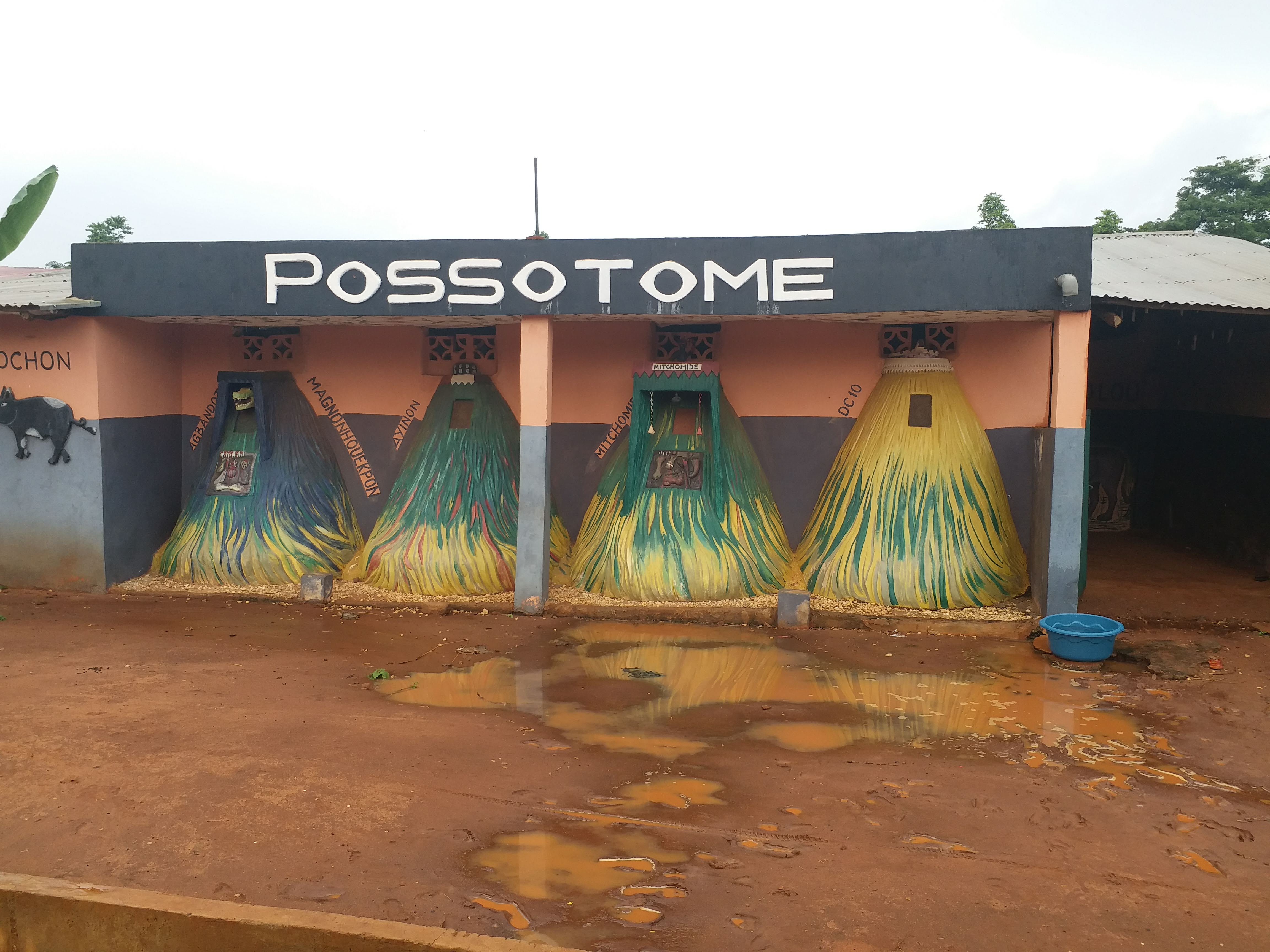
Every year on January 10th, Benin celebrates the National Vodun Festival. In Possotomè, this date takes on a deeply local dimension, King Ayolomi Laté organises a royal ceremony that brings together the ten villages in a celebration of ancestral spirituality, community bonds and cultural pride.
The ceremony is held in a deferred form, giving each village the time to honour the occasion in its own way before joining the collective gathering under the king's authority.
Key institutions & places
Behind every thriving community stand institutions and people who build, connect and serve. These are the places and organisations that have shaped and continue to shape Possotomè.
The thermal springs of Possotomè are the spark that put the town on the map. Known across Benin and beyond for their mineral-rich waters at over 40°C, they have attracted visitors, researchers and investors for decades. The water is now commercially bottled under the Possotomé brand, distributed nationally and giving the arrondissement lasting economic visibility. More than a natural wonder, the springs opened Possotomè's eyes to the world and the world's eyes to Possotomè.
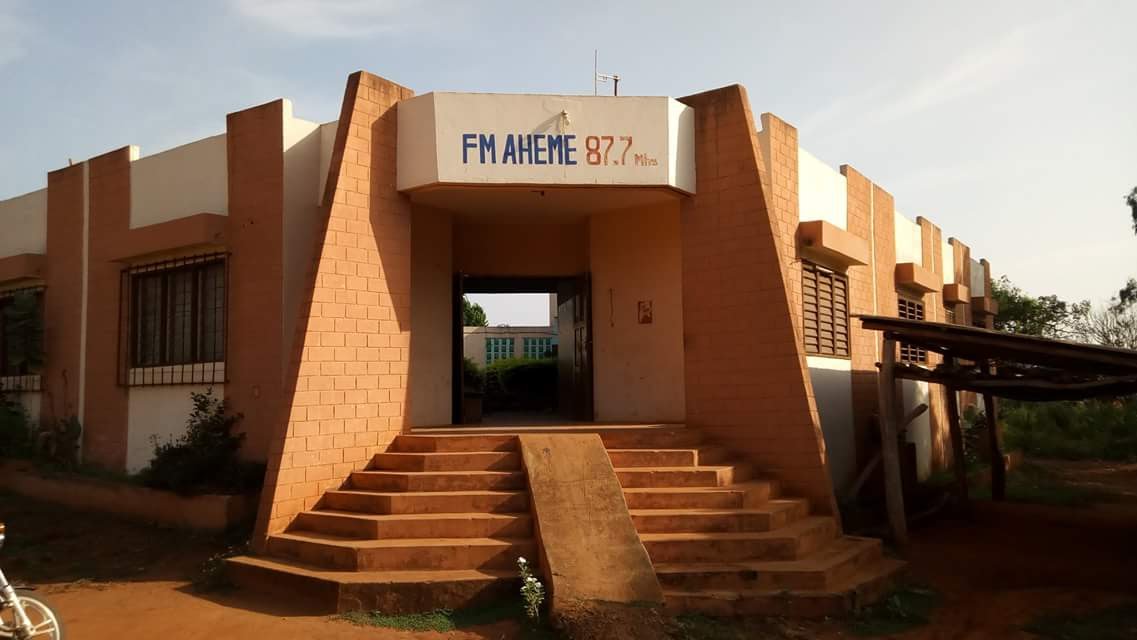
In a region where local languages carry culture and identity, Radio Ahémé plays an indispensable role. As the primary mass communication tool of the Mono region, it broadcasts in local languages, reaching fishing communities on the lake, farmers in the villages and families across all ten districts of Possotomè. Far more than a radio station, it is a voice for the community sharing news, preserving traditions and connecting people who might otherwise never be heard.
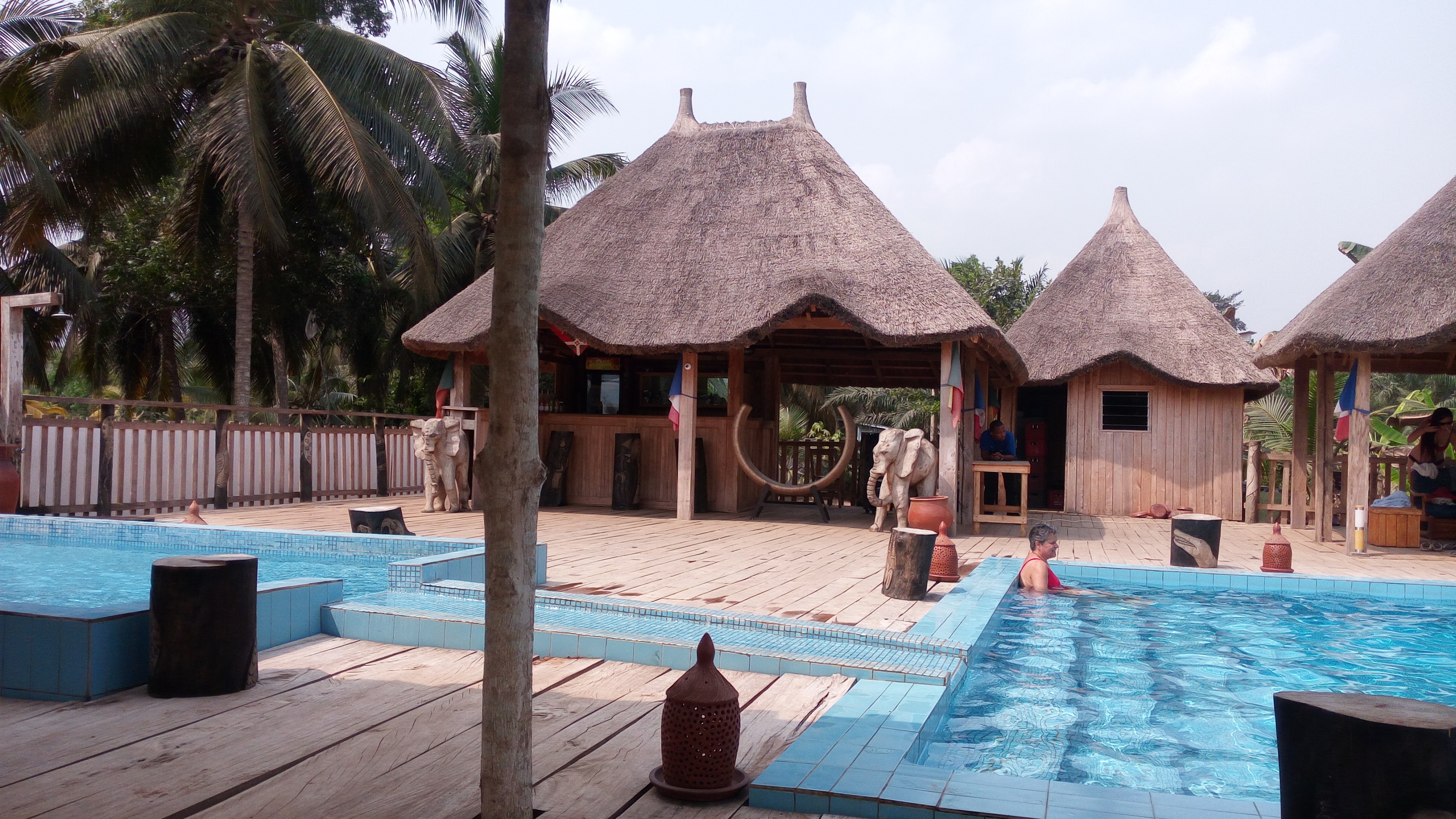
No place better embodies the spirit of Possotomè's hospitality than Chez Théo. Founded and run by Théodore Dotou, this ecolodge sits 50 metres from the shores of Lake Ahémé and has become one of Benin's most celebrated addresses. With its restaurant built on stilts over the water, bungalows nestled in lush gardens, a pool with lake views, thermal baths and pirogue excursions, Chez Théo is far more than a hotel. It is a gateway into the soul of the region, and a proud showcase of what Possotomè has to offer the world.
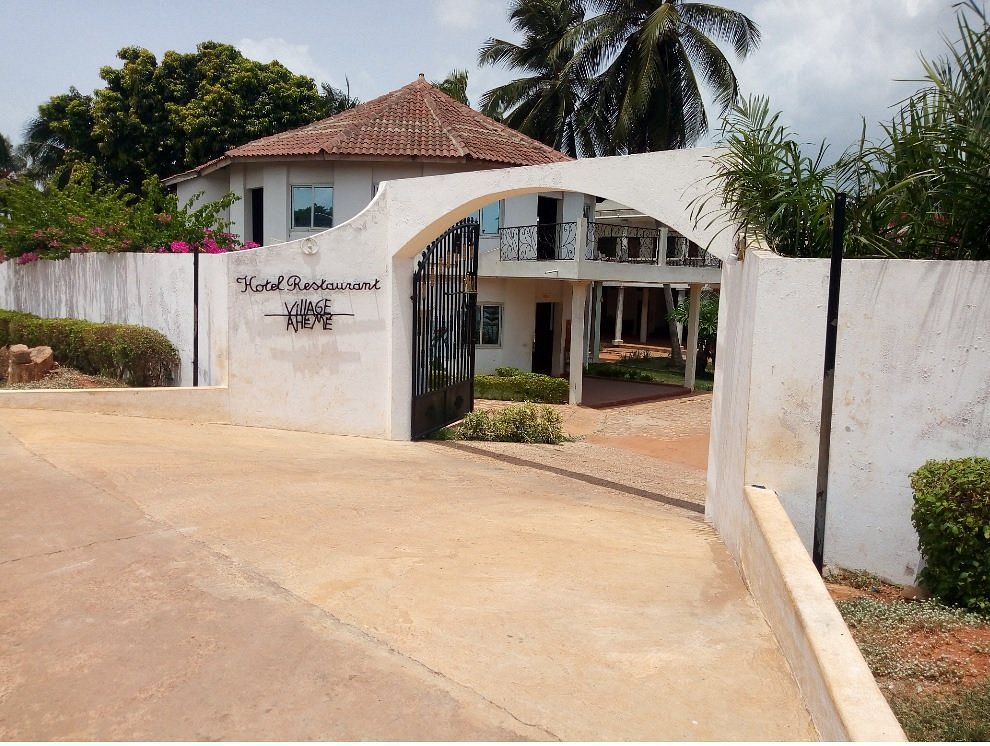
Photo courtesy of Hotel Village Ahémé
Located just steps from the thermal springs and 1h30 from Cotonou, Hôtel Village Ahémé was the first establishment to open its doors to visitors in the arrondissement. With 46 rooms on the shores of Lake Ahémé, it was for decades a landmark address that put Possotomè on the tourism map of Benin, historically linked to the Festival Awilé, hosting artists, visitors and delegations who came to experience the richness of the region. Over time, the establishment lost the shine it once had. Today it stands as a witness to a golden era and it is precisely in that spirit that Chez Théo has taken up the torch, bringing new energy and renewed pride to the shores of Lake Ahémé.
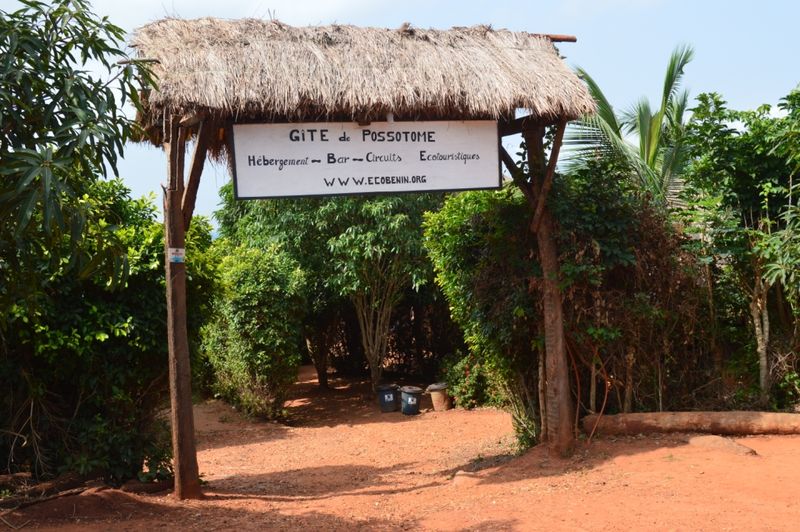
Photo courtesy of Eco-Bénin
Eco-Bénin and the Eco-Ferme represent Possotomè's commitment to sustainable development. Through ecotourism, environmental education and agricultural initiatives, these structures work to protect Lake Ahémé's fragile ecosystem while creating economic opportunities for local communities. They offer visitors an immersive experience of the natural and human landscape of the region, guided tours, local produce and direct encounters with the people who call this place home.